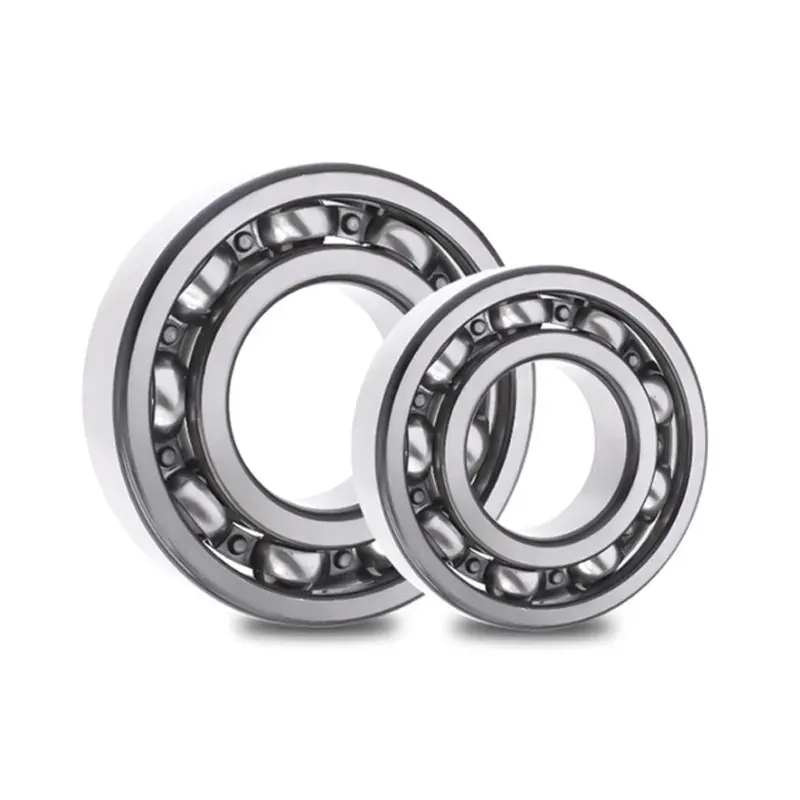

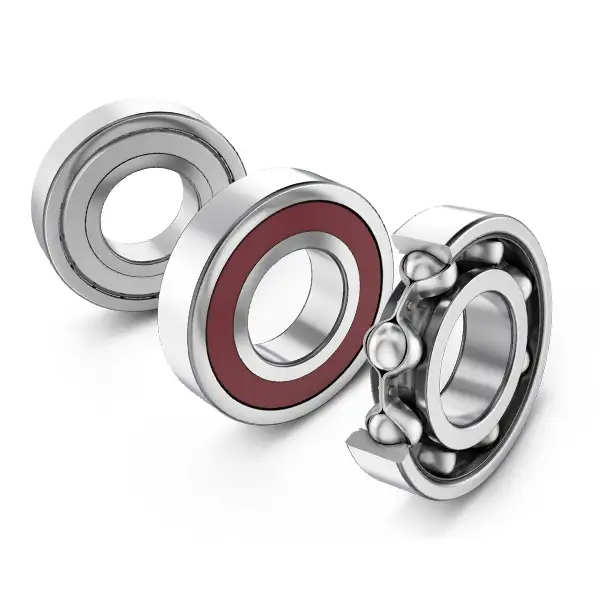
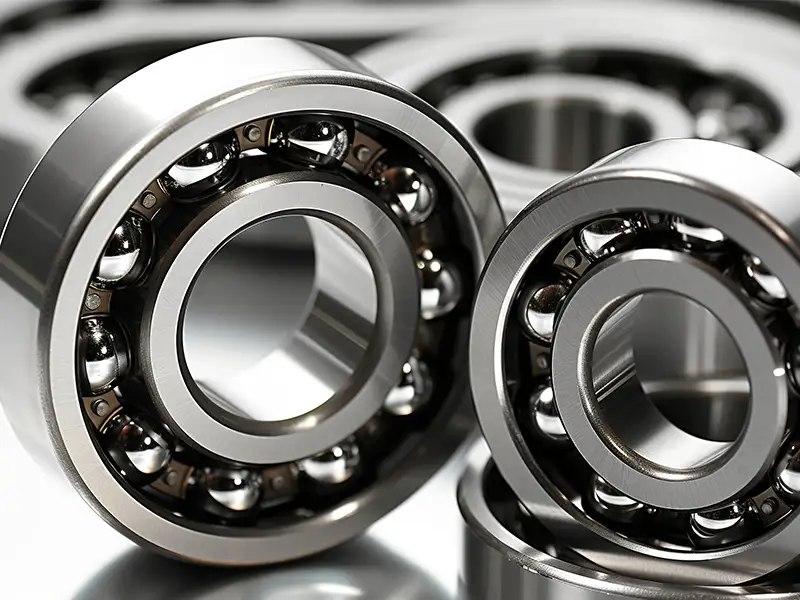
Deep groove ball bearings are a widely used category of rolling bearings in mechanical transmission applications. They feature high-carbon chromium steel balls matched with precision deep arc raceways, resulting in low rolling friction, reduced heat generation, smooth operation, and excellent noise control.
The products are primarily designed for radial loads, while also capable of withstanding bidirectional axial loads and certain combined loads. They offer good self-aligning capability, can accommodate slight shaft deflections and mounting deviations, and demonstrate stable and reliable performance under high-speed conditions.
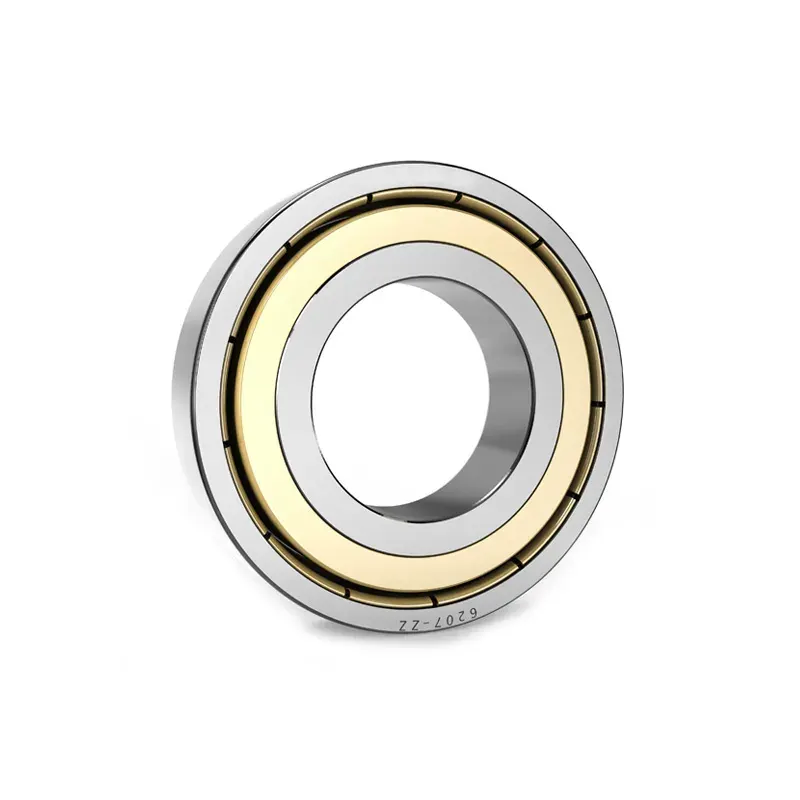
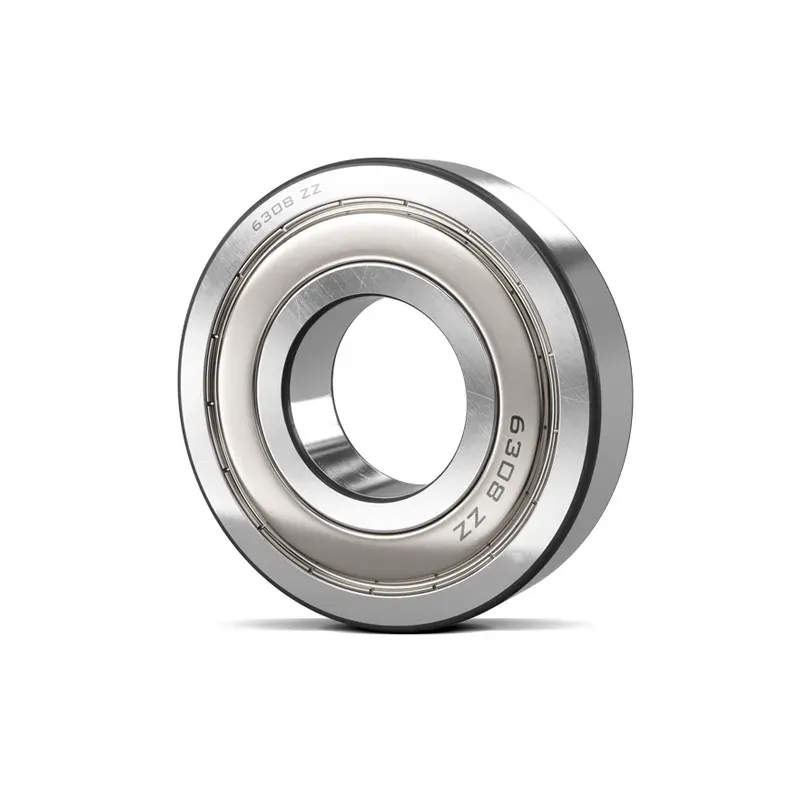
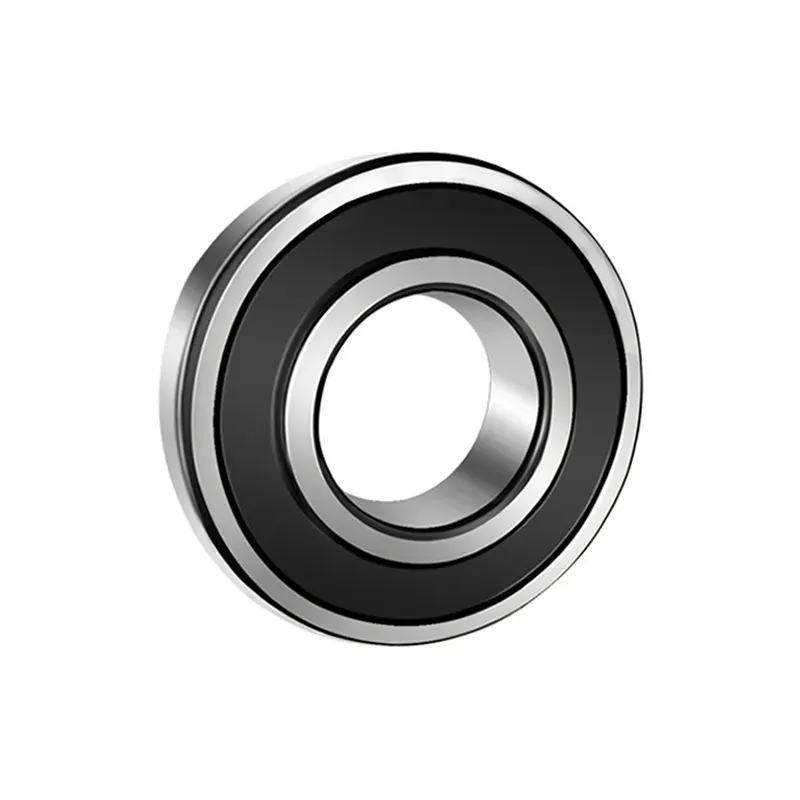
Structurally, they are available in open types, with single- or double-shielded designs, and with single- or double-sealed configurations. Sizes range from miniature to extra-large, and both precision grades and radial clearances can be customized according to requirements, meeting diverse application demands regarding load, speed, temperature, and sealing levels.
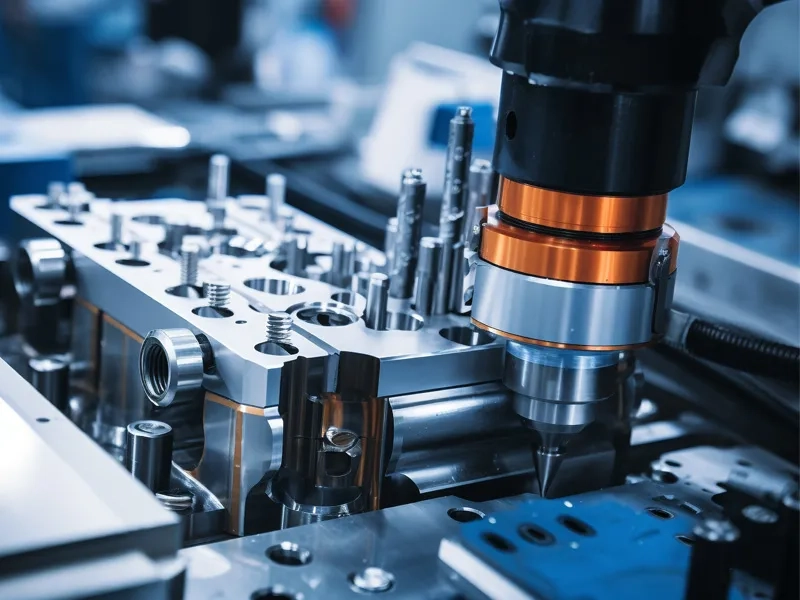
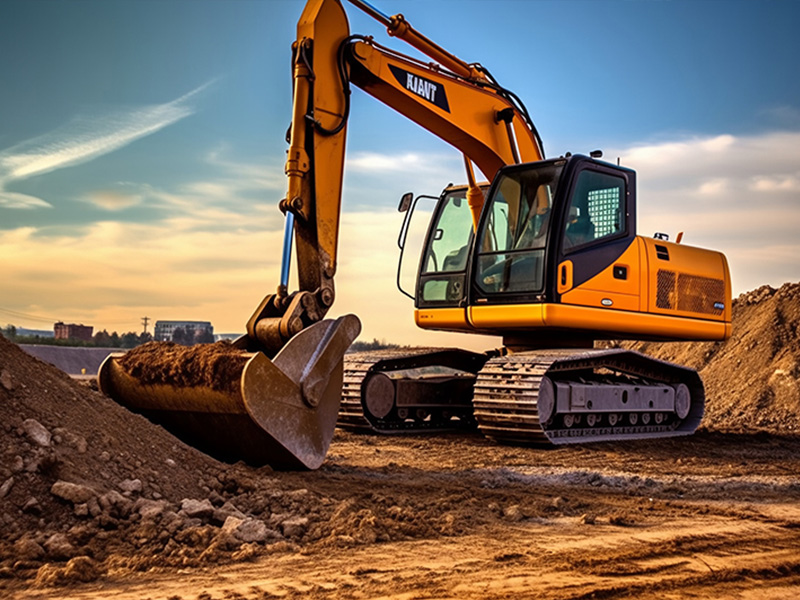
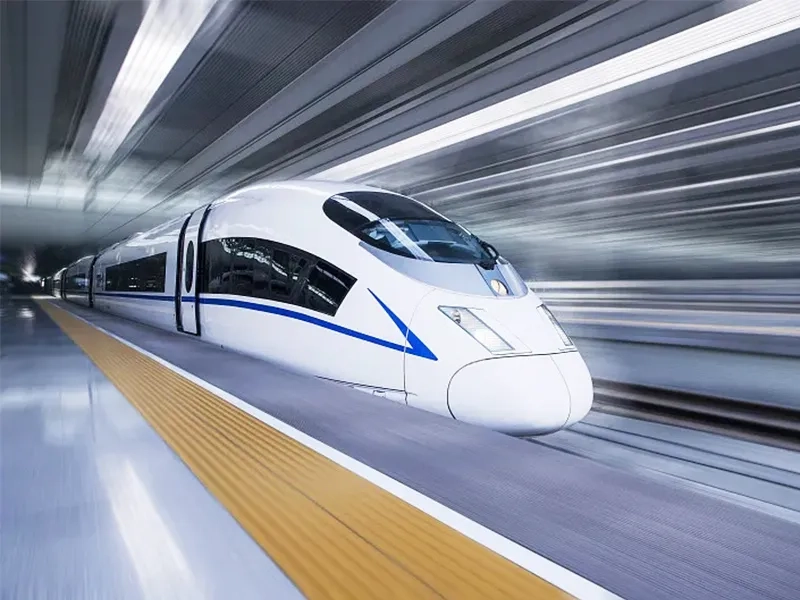
They are widely used in industrial motors, automotive drivetrains, machine tool spindles, household appliances, new energy electric drives, construction machinery, and various general rotating equipment. Each bearing is pre-filled with long-life lubricating grease at the factory. They offer flexible installation options, low maintenance requirements, and long service life. As a mature, reliable, and cost-effective basic component, they are an ideal choice for rotating machinery.
Single-row deep groove ball bearings are a typical structural type among rolling bearings. The raceways on both the inner and outer rings are circular arcs, with a cross-sectional radius slightly larger than the ball radius. The 6000 series are thin-section lightweight types, featuring compact cross-sectional dimensions and low weight, with the inner and outer rings and rolling elements all manufactured with high precision. They generally use pressed steel cages. For large-sized bearings or those used in high-speed rotation, machined brass cages are adopted.
Single-row deep groove ball bearings are a typical structural type among rolling bearings. The raceways on both the inner and outer rings are circular arcs, with a cross-sectional radius slightly larger than the ball radius. The 6200 series are general-purpose standard types, featuring high production volume and moderate pricing, with the inner and outer rings and rolling elements all manufactured with high precision. In addition to open types, bearings with steel shield plates or with snap rings on the outer diameter of the outer ring are also available. They generally use pressed steel cages. For large-sized bearings or those used in high-speed rotation, machined brass cages are adopted.
Single-row deep groove ball bearings are a typical structural type among rolling bearings. The raceways on both the inner and outer rings are circular arcs, with a cross-sectional radius slightly larger than the ball radius. The 6300 series are medium-to-large standard types, featuring larger outer diameters and widths compared to the 6200 series, with significantly improved load-carrying capacity, making them suitable for medium and above load conditions. In addition to open types, bearings with steel shield plates or with snap rings on the outer diameter of the outer ring are also available. They generally use pressed steel cages. For large-sized bearings or those used in high-speed rotation, machined brass cages are adopted.
Single-row deep groove ball bearings are a typical structural type among rolling bearings. The raceways on both the inner and outer rings are circular arcs, with a cross-sectional radius slightly larger than the ball radius. The 6400 series are large-size deep groove ball bearings, featuring further enlarged outer diameters compared to the 6300 series, with higher load-carrying capacity to handle relatively heavy load conditions. In addition to open types, bearings with steel shield plates or with snap rings on the outer diameter of the outer ring are also available. They generally use pressed steel cages, while large-size bearings use machined brass cages.
Proper maintenance is crucial for extending the lifespan of deep groove ball bearings. It is recommended to regularly check the operational status of the bearings, maintain cleanliness and lubrication, and avoid overload and impact loads. Depending on the operational conditions, replenish lubricating grease every 3 to 6 months and replace it at least once a year. Establish a bearing operation log to record temperature and vibration data, identify abnormalities in advance, effectively prevent sudden failures, and ensure stable equipment operation.

Linqing Hengbo Bearing Co., Ltd. is located in Linqing, Shandong, a bearing industry base. It is a modern bearing manufacturing enterprise that integrates research and development, manufacturing, sales, and comprehensive management, specializing in the production of medium and large-sized Class 0 deep groove ball bearings.
Copyright © 2025.Linqing Hengbo Bearing Co., Ltd All rights reserved.